
A Critical Discourse of
Children's Illustrations
This project explored the artistic and emotional depth of children’s book illustrations. Through research and analysis, it examined their impact on young readers, the intent behind the artists’ work, and the critical role these illustrations play in shaping children’s imagination and understanding of stories.
Introduction
Children’s Book Illustrations have been a popular form of visual art since a very long time. Most often used in marketing, animation and other media fields. It is also extremely popular in books. The discussion focused on children’s book illustrations, a long-standing and popular form of visual art widely used in marketing, animation, books, and other media fields. Illustrations have always been integral to children’s books, helping young readers across various age groups interpret and understand stories in unique ways.
The study explored the essential reasons why illustrations are vital in children’s literature, delving into the artist's intent and emotions while designing them. It examined how artists strive to connect with the stories to create illustrations that align with the author’s style and effectively convey the intended messages or morals to children and their parents.
Personal Experiences
Illustrations hold a very special place in my heart. I have always had a keen interest in illustrations and when exploring experiences, I realized that as a child when I would read a book, the most enjoyable experience was to look at the colorful illustrations next to the story. These illustrations not only made me enjoy the story more but also allowed me to visualize the story I was reading in my head and helped improve my imagination.
Because of my keen interest in illustrations, for this research paper I wanted to look into a number of things. I will discuss these further throughout this paper. As an artist and an avid reader, I know the significance of both the story and the visuals. And having the right visuals is essential for any stories.
Personally, I feel that the right illustrations, developed beautifully can really carry forward a story and add a fun twist on the way children interpret them. Sometimes stories can be very forward and plain, but with a little bit of visual magic they become so much more fun to read and to imagine and interpret.
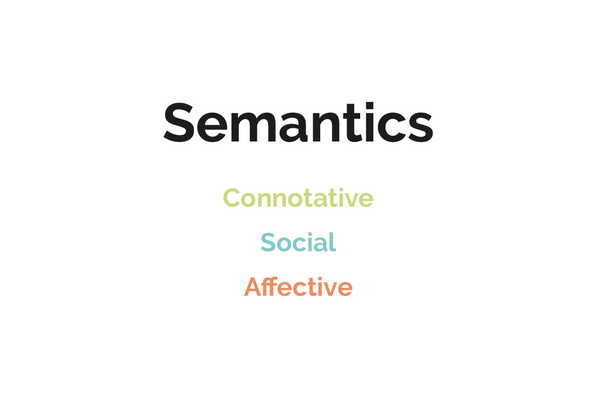
Illustrations serve as visual tools to represent ideas or concepts, aiding in understanding and memory. While they lack a fixed connotative definition, their primary function is to recreate scenes or situations, making them accessible and relatable.
The interpretation of illustrations varies socially, influenced by geographical, cultural, and linguistic contexts. These factors shape how people perceive and derive meaning from illustrations, which may differ from the designer's original intent. Additionally, illustrations often carry affective significance, reflecting the emotions and values of the illustrator. This emotional connection enables deeper, more personal interpretations. Overall, illustrations transcend simple visual storytelling, embodying layers of meaning shaped by context and intention.
Pragmatics / Context
Children’s book illustrations are deeply tied to the story and context in which they are experienced, whether during cozy family reading nights, in classrooms, or as part of school assignments. These illustrations are often designed to be simple, clear, and relatable, catering to specific age groups and environments like homes, schools, or libraries. While their primary focus is on enhancing the story, they also reflect the shared experiences and interpretations of both children and adults, making them expressive and adaptable to diverse settings and audiences.

Evaluating each Experience

The primary stakeholders for The Very Hungry Caterpillar include its author and illustrator, Eric Carle, along with the publisher, distributor, and readers. The illustrations and story are interdependent, creating a cohesive and engaging experience for children. The book’s illustrations rely heavily on semiotics, using visual elements as signs to help young readers recognize real-world items, build referents, and develop memory retrieval skills.
The book’s context lies in its social and cultural aspects, focusing on when and how the audience interacts with it and its role in teaching children essential concepts beyond leisure reading. The pragmatics emphasize child development through recognition and learning. While most children’s books, including this one, are printed media, the illustrations themselves are created using a variety of techniques, such as traditional and digital art, to complement the story and reach a global audience.
Eric Carle, the creator of The Very Hungry Caterpillar, designed the book to captivate children with its simple yet engaging story and vibrant illustrations. Both the story and artwork work in tandem to teach children essential lessons, such as the days of the week, healthy eating habits, and the life cycle of a caterpillar. The book's bright visuals, created through a unique collage technique using painted tissue paper, add depth and texture, making it both educational and entertaining. Carle aimed to create a book that children would enjoy repeatedly, while parents could use it as a tool to aid early learning.
The book’s appeal lies in its universal message of hope and transformation, as children can identify with the small caterpillar's journey to becoming a butterfly. This symbolism resonates deeply, reinforcing children’s sense of growth and potential. While adults may not perceive the same nuances, children’s connection to the story and illustrations has made the book a timeless classic, with Carle noting its enduring popularity as a reflection of children’s aspirations and dreams.

Semantic Triangle
The semantic triangle forms the foundation for interpreting meanings behind thoughts, symbols, and referents, as seen in The Very Hungry Caterpillar. The story encourages children to develop their thinking and memory retrieval by associating hunger (referent) with food (symbol) through the caterpillar (thought). For instance, when the caterpillar feels hungry, children may associate it with food bugs typically eat, like leaves and fruits. This story demonstrates a harmonious coordination of the semantic triangle’s elements, where thought, referent, and symbol are interdependent, offering a cohesive and meaningful experience that aids in children’s cognitive development.
Conclusion
This project holds a special place in my heart, as it allowed me to connect deeply with illustrations—a concept I only discovered a couple of years ago, despite their profound influence on my childhood. Through my research, I realized that the captivating books and visual artworks I grew up with had shaped my imagination and understanding of the world in ways I hadn’t previously acknowledged. Exploring Spranger’s Dimensions of Value further deepened my passion for knowledge, enabling me to uncover the rich background, semantics, and contexts surrounding these illustrations and stories.
This journey has been both personal and enlightening, helping me understand my long-standing fascination with this field and inspiring me to delve into future research, focusing on contemporary works. There’s so much more to explore, and this project only scratches the surface of the insights and experiences waiting in the full exploration.
To learn more about the different experience, access the full project above.